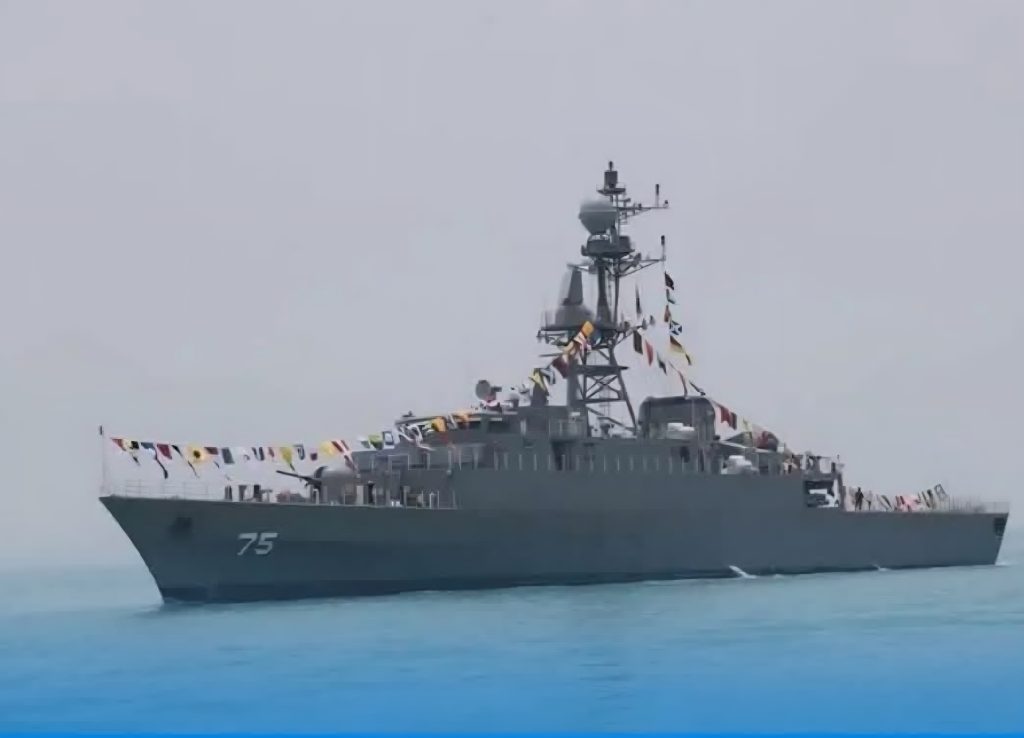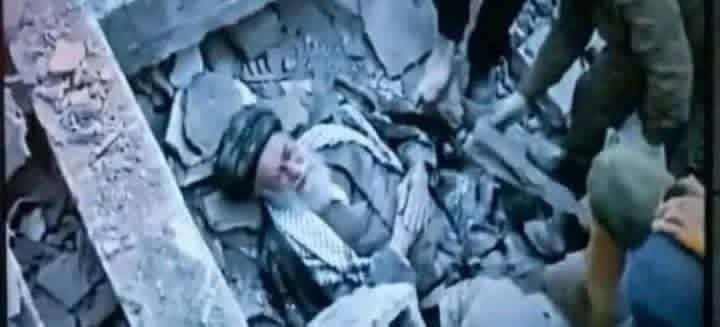

Ayatollah Ali Khamenei, Iran’s Supreme Leader for nearly four decades, was killed on February 28, 2026, during coordinated US and Israeli airstrikes targeting his Tehran residence and other high-level sites.
Iranian state media later confirmed his death at age 86, alongside several top officials, amid reports of significant casualties across the country.
Strike Details
The attacks, codenamed “Roaring Lion” by Israel and “Operation Epic Fury” by the US, hit over 500 targets including air defenses, missile sites, and leadership compounds in Tehran, Isfahan, and other cities using around 200 fighter jets.
Satellite imagery showed smoke rising from Khamenei’s residence, with Iranian reports citing 201 deaths and 747 injuries, including a school attack killing 108 schoolgirls.
US President Donald Trump announced the strikes on Truth Social, calling Khamenei “one of the most evil people in history” and urging regime change.
Key Casualties
Multiple senior figures died in the strikes:
- Ali Shamkhani, Khamenei’s top security advisor.
- Mohammad Pakpour, IRGC commander.
- Aziz Nasirzadeh, Defense Minister.
- Others including military intelligence head Saleh Asadi and nuclear program officials
Succession Uncertainty
Iran’s constitution requires the Assembly of Experts to select a new Supreme Leader, with potential candidates including Khamenei’s son Mojtaba Khamenei, aides like Ali Asghar Hejazi, and clerics such as Gholam Hossein Mohseni Ejei.
Experts warn this could lead to IRGC hardliners taking harder stances rather than collapse.
Celebrations erupted in parts of Tehran post-reports, while exiled figures like Reza Pahlavi called for uprising.
Regional Impact
Iran retaliated with strikes on US and Israeli bases, escalating Middle East tensions amid its nuclear program and prior conflicts.
Trump vowed continued bombing until peace, as shipping firms halted Suez Canal traffic.
The power vacuum risks broader instability in a sanctions-weakened Iran.