Colombo, Sri Lanka
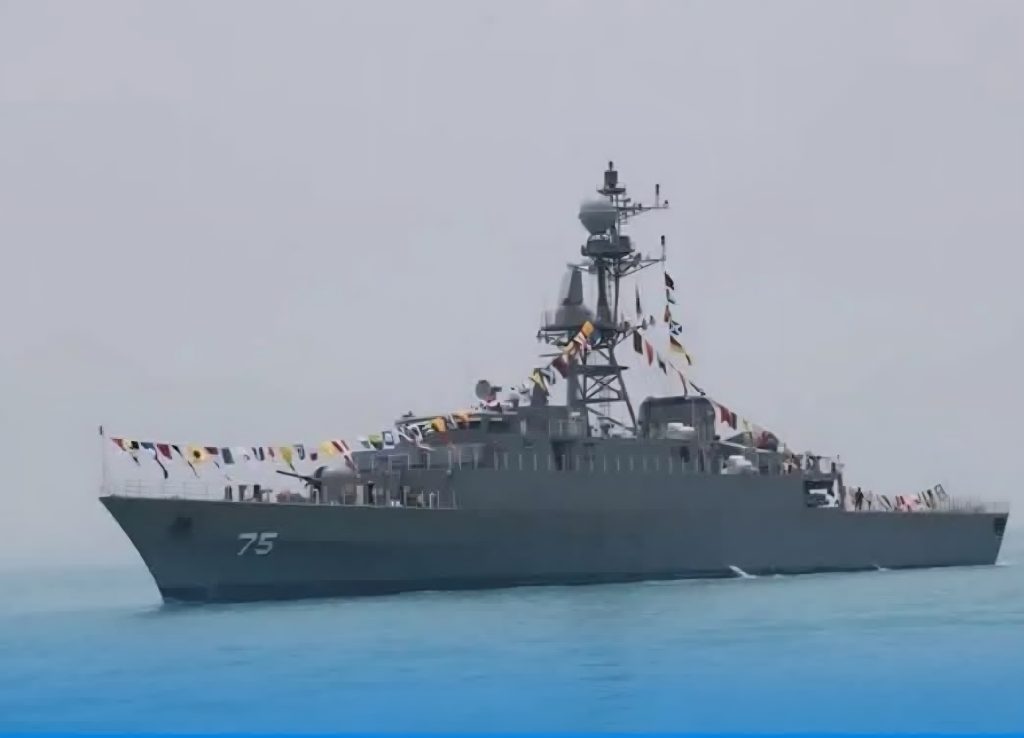
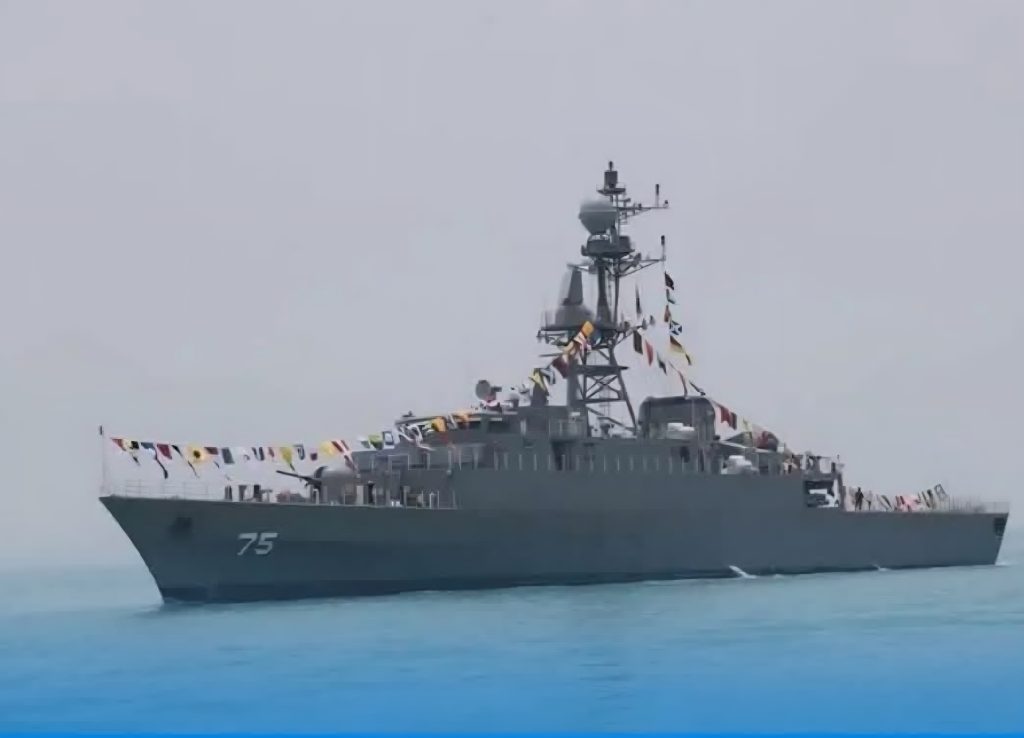
The alleged US submarine attack on the Iranian frigate IRIS Dena off Sri Lanka’s coast raises serious questions under international maritime and human rights law, though claims of genocide or India’s direct liability appear overstated without verified evidence.
Maritime Law Obligations
Under the United Nations Convention on the Law of the Sea (UNCLOS, 1982), states must render assistance to vessels in distress on the high seas, regardless of nationality-Sri Lanka fulfilled this by launching rescue operations, rescuing 32-79 survivors and recovering 87 bodies as reported.
Article 98 mandates such aid, and no evidence suggests Sri Lanka breached this; India, lacking jurisdiction over the incident site (40 nautical miles off Galle, outside its EEZ), had no legal duty to safeguard the vessel post-departure from its February 2026 International Fleet Review (IFR).
Attributing “failure to protect guests” ignores UNCLOS limits on high-seas enforcement, where flag states (Iran) primarily retain authority.
Use of Force and Jus Ad Bellum
A US torpedo strike, if confirmed, could violate UN Charter Article 2(4) prohibiting force against territorial integrity or political independence, unless justified as self-defense under Article 51-yet no imminent threat from IRIS Dena (a Moudge-class frigate on routine patrol post-IFR) has been substantiated.

The San Remo Manual on International Law Applicable to Armed Conflicts at Sea (1994) deems attacks on warships lawful only if they pose a concrete military threat; sinking a non-belligerent vessel en route from a diplomatic event like India’s IFR (involving 85 ships from 74 nations) risks classification as a disproportionate act.
Boasted US claims of success would undermine any lawful target claim, potentially constituting aggression prosecutable at the International Criminal Court (ICC) under the Rome Statute.
Human Rights and Humanitarian Protections
The loss of 101+ lives triggers International Humanitarian Law (IHL) scrutiny via Geneva Conventions Additional Protocol I (1977), Article 51, banning indiscriminate attacks causing excessive civilian-like harm-though sailors on a warship are combatants, the vessel’s non-combatant context (post-diplomatic review) questions distinction principles.
No genocide under 1948 Genocide Convention applies, as it requires intent to destroy a national/ethnic group “in whole or in part”; this was a military strike, not group-targeted extermination.
Universal human rights instruments like the ICCPR (Article 6, right to life) bind states extraterritorially during attacks, but extraterritorial application to high-seas naval actions remains contested absent effective control.
India’s Non-Liability

Participation in IFR 2026-a ceremonial showcase of cooperation-imposes no ongoing escort duty under customary international law or Vienna Convention on Consular Relations; host-state responsibility ends at port clearance.
Claims of Indian intelligence complicity or silence lack basis, as the incident occurred in Sri Lanka’s SAR region, not “India’s main security territory.” PM Modi’s regional diplomacy does not equate to endorsement.
Calls for Inquiry
An independent UN or IMO-led investigation is warranted to establish causation, perpetrator identity, and compliance-potentially invoking ITLOS dispute settlement (UNCLOS Annex VII). Retaliatory rhetoric risks escalation, underscoring the need for de-escalation amid Indian Ocean tensions.