By Susil Kindelpitiya
COLOMBO – In a courtroom drama that reads like a blight on the robes it stains, senior police and powerful religious figures found themselves at the centre of fresh accusations today as the National Child Protection Authority (NCPA) laid out what it says is overwhelming evidence against Venerable Pallegama Hemarathana Thero – and lambasted the police for what the Authority calls delay, dilution and possible cover-up.
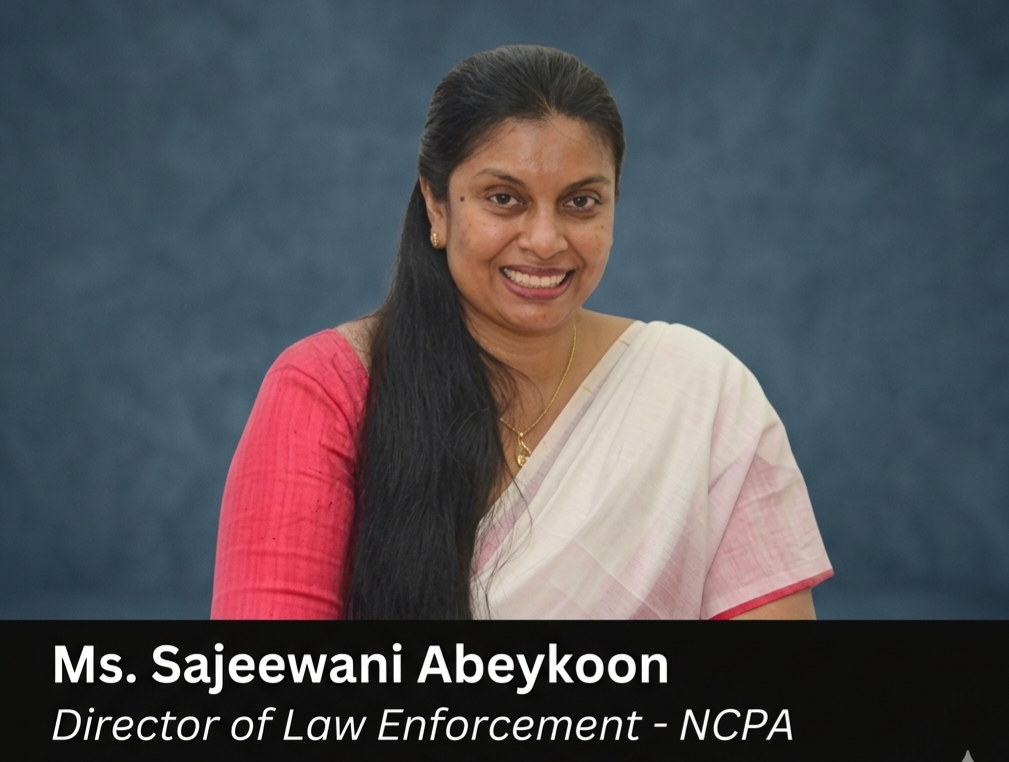
On the instructions of retired High Court Judge Inoka Ranasinghe, Chairperson of the NCPA, Director of Law Enforcement Ms. Sajeewani Abeykoon presented a forensic case before the Anuradhapura Court that painted a disturbing picture: a minor girl allegedly repeatedly abused at the monk’s temple, physical evidence identified by the victim, forensic confirmation of prolonged sexual assault, and 84 corroborating phone records between the pair.
Courtroom details and evidence
Ms. Abeykoon told the court the girl had pointed out the precise location inside the monk’s living quarters where the abuse occurred, identified items in the room and even showed an item resembling a rug that the accused allegedly used to wipe semen. The victim reportedly identified the scene and objects consistently.
The Judicial Medical Officer, Dr. Chaminda Rajakaruna, is said to have confirmed long-term sexual assault on judicial examination.
Forensic phone analysis reportedly showed 84 conversations between the accused and the girl, and investigators allegedly discovered the girl’s blood-stained underwear buried – an inflammatory detail that, if verified, points to an attempt to conceal physical evidence.
Ms. Abeykoon told the court the girl had been brought to the suspect “every three days” and abused repeatedly, and that the suspect had directed the girl around the house while recounting events – a detail offered to corroborate the victim’s claims.
Allegation against the police
Ms. Abeykoon did not spare the police. She bluntly accused law enforcement of delay and procedural lapses, saying the NCPA “had to go after the police with a stick” to move the investigation and to secure an arrest warrant.
She said there was a troubling absence of basic investigative steps – notably that police have not obtained video evidence of the girl – and questioned why the suspect was not detained immediately despite what she described as “more than enough admissible evidence.”
At one point she directly asked the Senior DIG for the Western Province why a clear suspect had not been arrested; she says the police offered only evasive answers.
Why the delay matters
Evidence can degrade, witnesses can be intimidated, and memories can fade. Delay in arrest and securing scene evidence can effectively dilute probative material and cripple prosecution.
When an accused is a person with religious standing, financial resources and political connections – as Ms. Abeykoon emphasized – the pressure points on a probe multiply: threats, influence, and institutional caution may all blunt police action.
Hints of influence and media silence
Ms. Abeykoon argued that the suspect’s “religious, political and financial power” has been used to influence the probe. She also told the court that many media outlets have maintained a “policy of silence” – which, if true, raises questions about self-censorship, institutional intimidation or informal pressure aimed at suppressing coverage of high-profile clergy.
In the public gallery and on the court steps, a who’s-who of monastic seniority made their presence felt – chief incumbents and senior monks from several major temples attended to witness the case.
Meanwhile, security around the temple and court complex was beefed up: Special Task Force units and special police teams were deployed, and local police supervisors were seen overseeing arrangements.
Defence and legal representation
Nearly 20 lawyers – including President’s Counsel Kalinga Indatissa and a battery of senior counsel – appeared for Venerable Pallegama Hemarathana. The defence’s heavy legal presence signals a robust and well-resourced legal strategy, which will complicate prosecutorial efforts even if evidence is strong.
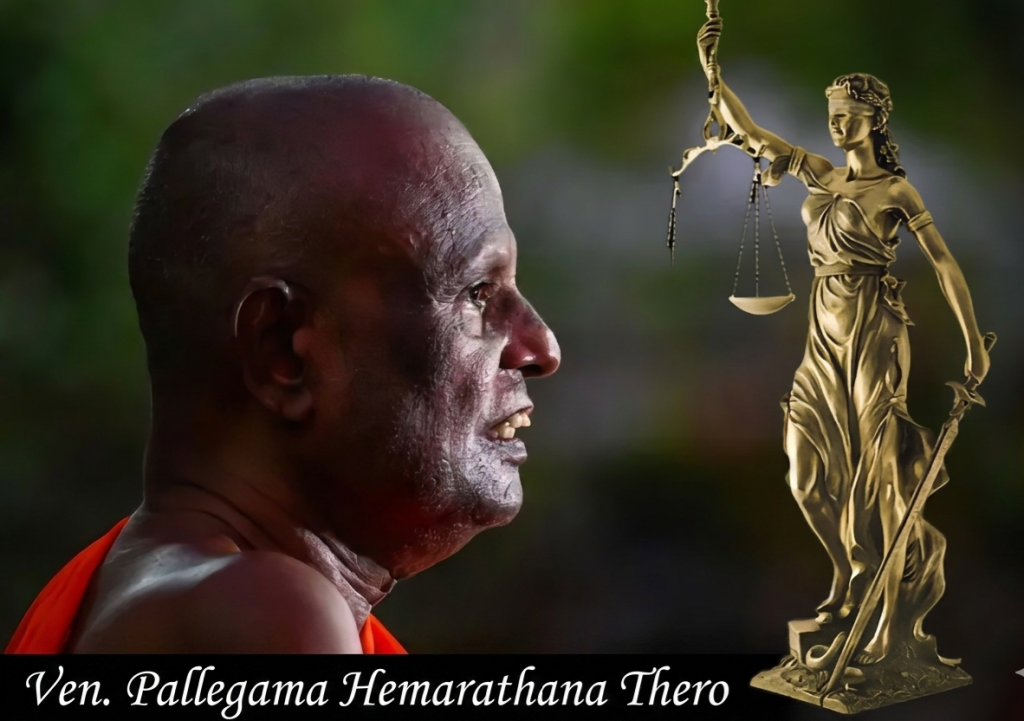
The State has filed charges
Police formally reported charges in court alleging:
- Serious sexual abuse of a minor under Section 365(b)(2)(b) of the Penal Code Amendment Act No. 22 of 1995.
- Rape of a minor under Section 364(2)(e) of the same Act.
- Separately, investigators have charged the minor’s mother under trafficking provisions (Section 360(c)(1)(a) of the Penal Code Amendment Act No. 16 of 2006), alleging her role in facilitating the abuse.
Social and legal analysis
Social trust and moral authority: Monks occupy a singular moral position in Sri Lankan society. Allegations that a monk used the sanctity of the temple and his status to exploit a minor strike at civic trust.
The community impact is far beyond the individual victim; it challenges institutional safeguards within religious institutions and demands candid public debate about oversight, accountability and the limits of ecclesiastical privilege.
Institutional failure or calculated obstruction?:
Ms. Abeykoon’s courtroom claim that police investigations were “diluted” raises two alternative explanations. One, institutional incompetence and inertia – sloppy evidence collection, failure to protect witnesses, bureaucratic delay.
Two, active obstruction motivated by the accused’s influence – pressure, inducement, or political calculation to avoid arrest. Both possibilities are bad for the rule of law; the second is an existential threat to public confidence.
Media responsibility:
The alleged media silence noted by Ms. Abeykoon is alarming. High-profile cases demand scrutiny; when newsrooms retreat, the only beneficiaries are those who would bury the truth. News organisations must weigh legal risk against civic duty, and journalism’s watchdog function must remain active, particularly where state actors and religious institutions intersect.
Legal safeguards for the accused and the victim:
Courts must balance the accused’s right to a fair trial with the victim’s need for protection and prompt justice. Delays and leaks can prejudice outcomes either way. The involvement of a large defence team and senior counsel is a reminder that legal contests will be vigorous; prosecutors must therefore secure evidence defensibly – custody chains, forensics, verified witness statements and video, if available.
What to watch next
- Will the police file a charge sheet that matches the scope of evidence presented by the NCPA, or will there be discrepancies that heighten suspicions of interference?
- Will the court permit expedited forensic review of the spot where the girl’s underwear was allegedly buried, the phone records, and the medical reports, to prevent evidence decay?
- Will independent media and civil society demand a transparent inquiry into the police’s handling of the probe?
- Will the state consider appointing a special inquiry or transfer the investigation to a different jurisdiction to remove local influence?
Bottom line
The NCPA’s courtroom exposition frames the episode as not only a crime against a child but also a test of Sri Lanka’s institutions – police, judiciary, media and monastic oversight.
If evidence stands up under rigorous scrutiny, the case could mark a pivotal moment: a reckoning that forces stronger protections for children and clearer limits on the immunity that power sometimes buys.
If the evidence is squeezed or lives dissolved in procedural fog, the case will be remembered as another instance where influence eclipsed justice.
Given the sensitivity and the high-profile nature of the accused, journalists and civic institutions should press for transparent, immediate, and forensic investigation, keeping the legal protections for both the accused and the victim firmly in place.
Legal disclaimer: This article reports allegations presented in open court and by investigators. The accused is presumed innocent until proven guilty in a court of law.