JAFFNA, May 21, 2026
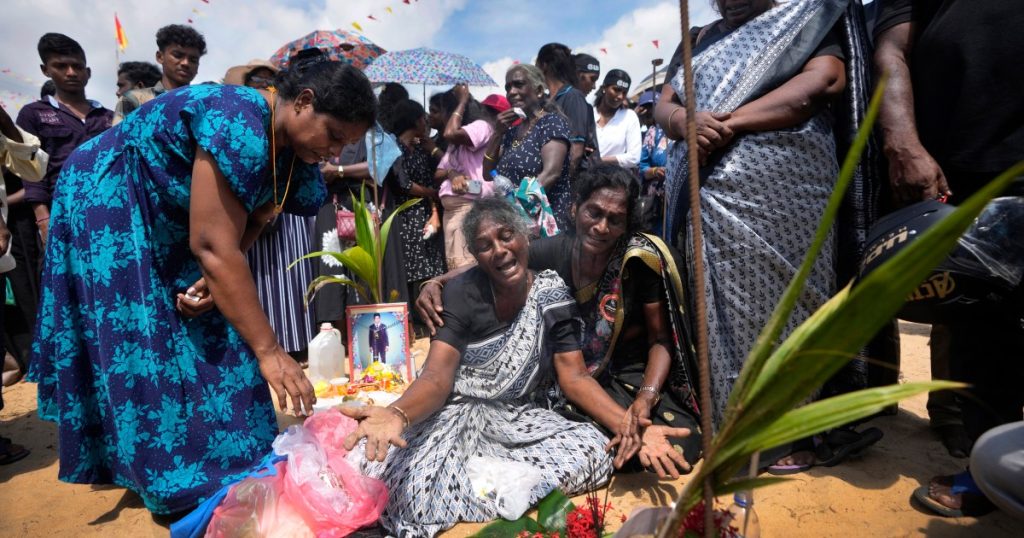
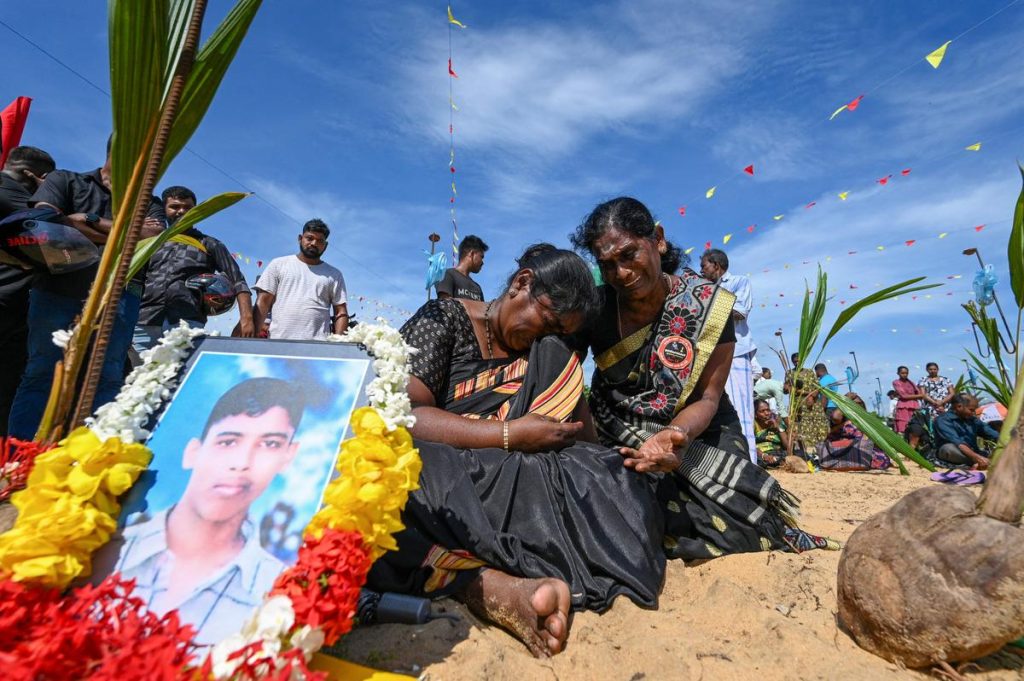
A fierce political salvo from Jaffna has set off fresh international controversy after a local Tamil politician accused Canada’s Prime Minister of being misled by diaspora groups into endorsing a “Tamil Genocide Remembrance Day.”
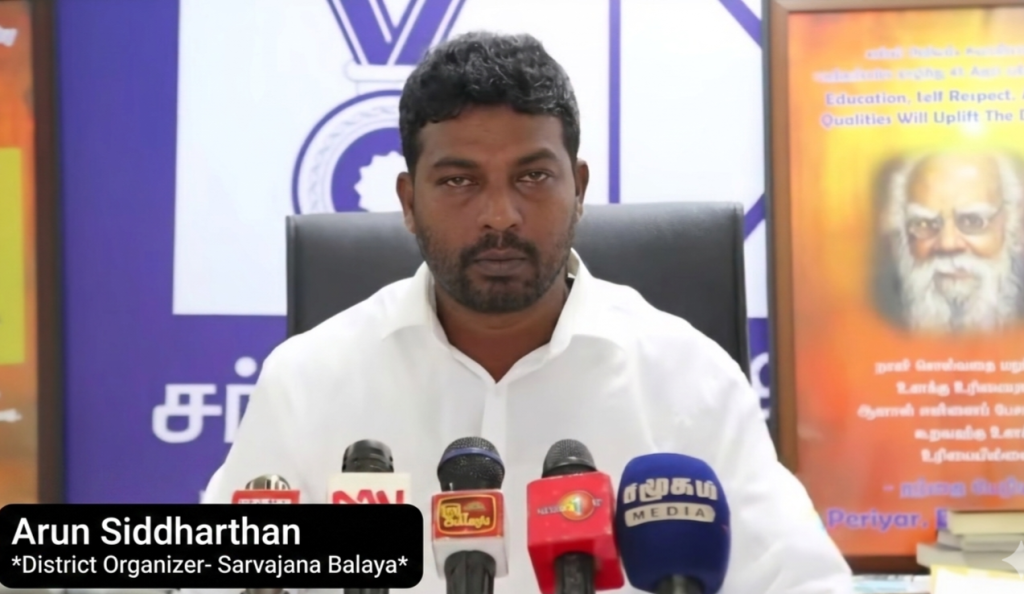
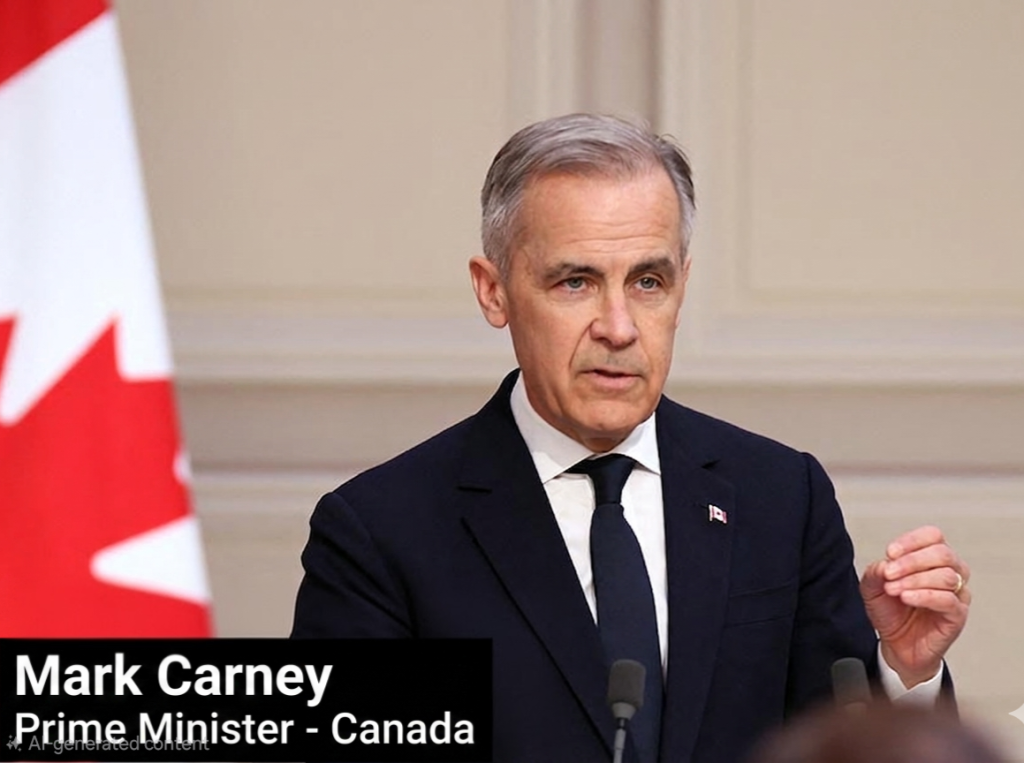
Arun Siddharthan, district organizer for the Sarvajana Balaya Party in Jaffna, blasted Prime Minister Mark Carney’s May 18 statement, calling the use of the term “genocide” inaccurate and driven by narratives pushed by “former LTTE sympathizers” living abroad.
In a blistering May 21 media release, Siddharthan said the Canadian leader had been “led astray” by groups with ties to the LTTE – the proscribed militant organization – and demanded that Canada investigate alleged war criminals hiding among its refugee population.
“Those who have peddled the genocide narrative are often former LTTE supporters who sought asylum abroad under false pretenses,” Siddharthan wrote, stressing he speaks as a Tamil born and raised in Jaffna who lived through the conflict. He flatly rejected the claim that a genocide occurred against Sri Lankan Tamils, calling such accusations “inaccurate characterizations” of his country.
Siddharthan pointed to UN findings that outline serious allegations against the LTTE during the final phase of the war – citing forced recruitment of children, use of civilians as human shields, and suicide attacks – and urged Canadian authorities to focus on identifying and prosecuting individuals linked to those crimes in accordance with international law.
The statement struck an emotional chord. Siddharthan detailed a personal family tragedy, saying three relatives – including his wife’s father and his maternal uncles – were abducted, tortured in the LTTE’s notorious Thunukkai camp and killed.
“We have credible evidence that several individuals responsible for atrocities at Thunukkai are now residing in Canada,” he added, claiming the party has forwarded evidence to relevant authorities.
Immediate fallout
Siddharthan’s public accusation that Canada’s prime minister was “misled by the Tamil diaspora” could reverberate through diplomatic and diaspora spheres.
The charge comes as parts of the Tamil community abroad press for recognition of civilian suffering; Siddharthan’s counter-narrative frames those same diaspora voices as politically motivated or deceitful.
Analysts say the statement could trigger:
Heightened tensions between pro-recognition diaspora groups in Canada and Sri Lankan officials or local leaders who reject the genocide label.
Calls for Canadian authorities to re-examine asylum claims linked to alleged LTTE operatives, and possible legal inquiries under universal jurisdiction.
A fresh round of claims-and-counterclaims that sharpen divisions in the Tamil expatriate community and complicate Canada–Sri Lanka discourse.
Siddharthan also referenced Amnesty International’s previous recommendation that national authorities exercise universal jurisdiction where appropriate, and urged Canada to act on any evidence of LTTE-linked crimes committed by persons living on Canadian soil.
What happens next?
Siddharthan says his party already forwarded names and documents to officials. Whether Ottawa will respond publicly or launch investigations remains unclear. The affair puts pressure on both civil society groups in Canada and on Ottawa’s foreign policy posture – and promises more loud exchanges in the weeks to come.
This explosive local rebuke transforms a diplomatic remembrance statement into a headline-grabbing international dispute – pitting diaspora activists and human-rights advocates against local Tamil leaders who insist the record must be set straight.