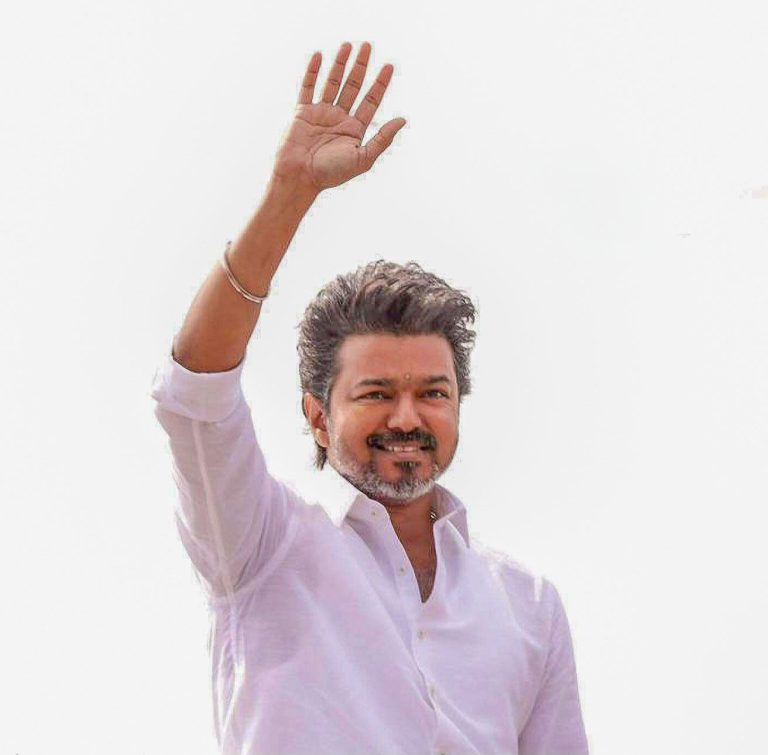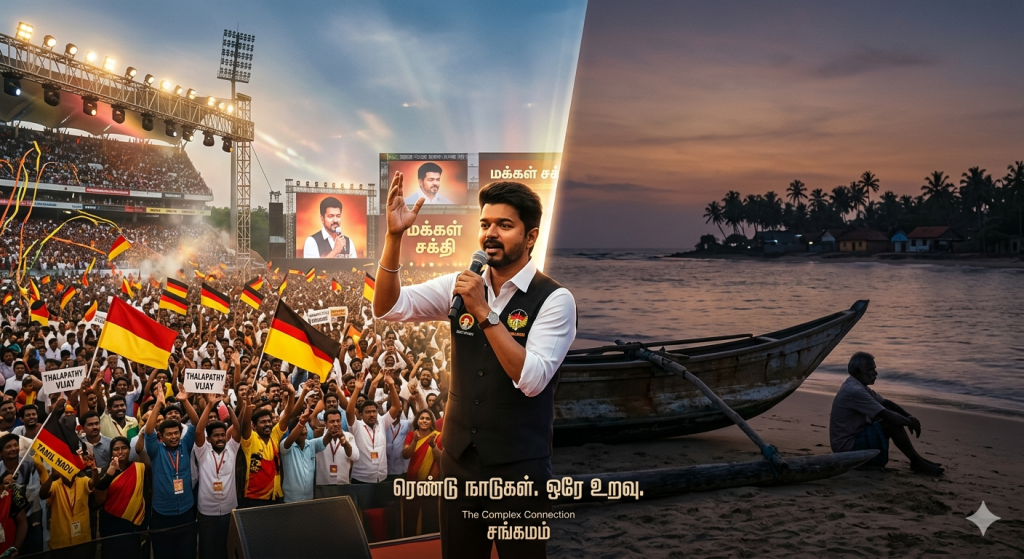
Thalapathy Vijay’s party, the Tamilaga Vettri Kazhagam (TVK), has achieved a significant electoral breakthrough in the 2026 Tamil Nadu Legislative Assembly elections, securing or leading in over 100 seats and establishing itself as a formidable political force in the state.
Political Impact on Sri Lanka
While the rise of a pro-Tamil sentiment in the state government often draws close attention from Colombo, political analysts note that such regional electoral outcomes do not necessarily translate into immediate shifts in Indian foreign policy toward Sri Lanka.
However, Vijay’s aggressive rhetoric has introduced a new dynamic in bilateral relations, moving away from the traditional, more cautious approach of established Dravidian parties.
Sri Lankan government officials have previously dismissed his statements as “electioneering” aimed at domestic consolidation rather than a reflection of viable diplomatic strategy.
As long as the current Sri Lankan administration maintains stability and addresses the immediate needs of its diverse population, the impact of Tamil Nadu’s internal political shifts on Colombo’s governance is expected to remain largely symbolic rather than transformative.
Statements on Sri Lanka
Vijay has positioned himself as a vocal advocate for the rights of Eelam Tamils and the protection of Indian fishermen, often using strong, populist language that contrasts with the measured tones of established state leaders.
His rhetoric has included several key themes:
Eelam Tamil Solidarity: Vijay has publicly asserted that Tamil people have “lost their leader” and require active support from Tamil Nadu, framing the cause as a moral imperative.
Fishermen Issues: He has issued warnings regarding the safety of Indian fishermen in the Palk Strait, at times using highly inflammatory language that has been criticized in Colombo as threatening bilateral stability.
Foreign Policy Demands: He has advocated for Tamil Nadu to have a greater, more direct say in India’s foreign policy concerning Sri Lanka, signaling a potential move toward more assertive regional pressure on the Union government regarding island affairs.
His supporters view this as a necessary revival of solidarity for the Tamil cause, while critics and observers in Sri Lanka view the rhetoric as provocative and potentially harmful to regional cooperation